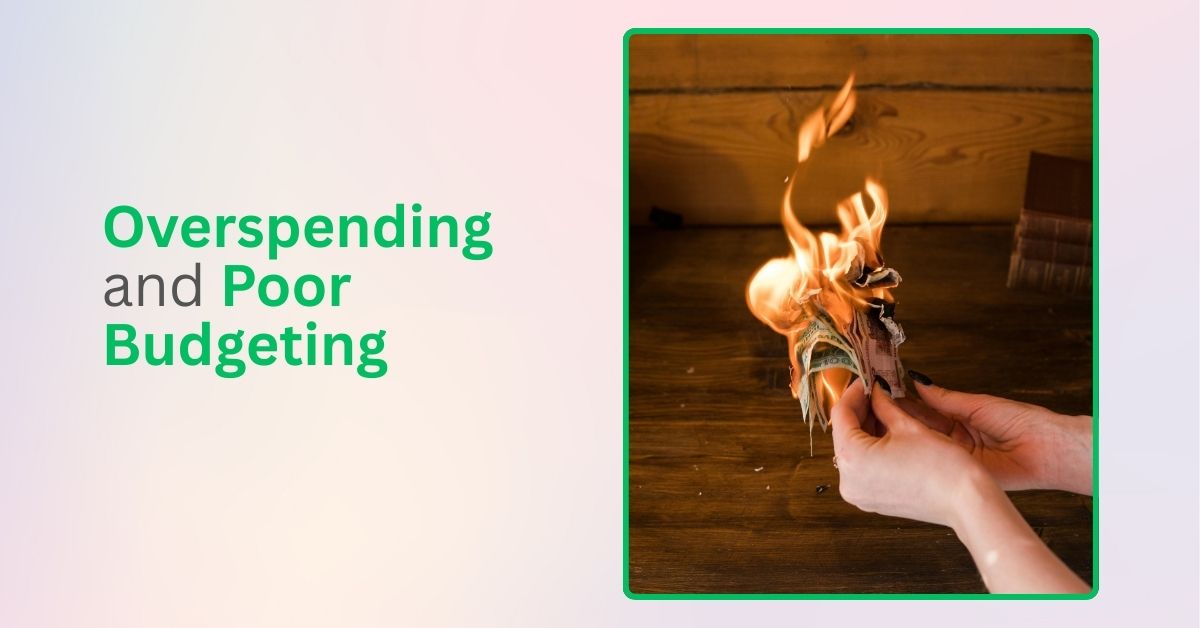
Overspending and Poor Budgeting
Introduction: The Silent Wealth Killer
Have you ever wondered why your bank balance seems to vanish before the month ends?
Overspending and poor budgeting are two of the biggest financial traps people fall into—whether you’re a salaried professional in Mumbai, a student in Delhi, or a small business owner in New York.
The truth is, even high earners struggle with this. Money doesn’t slip away because we don’t earn enough; it often disappears because we don’t budget smartly or we spend without tracking.
Let me show you how to recognize these habits and fix them for good.
Why Overspending and Poor Budgeting Hurt Your Finances
Overspending feels harmless in the moment—another dinner out, one more gadget, a weekend getaway. But over time, it builds into:
- Debt traps: Credit card bills and EMIs pile up.
- No savings: Emergency funds stay empty.
- Stress: Constant worry about “making it till payday.”
- Missed opportunities: You can’t invest or grow wealth because you’re stuck plugging holes.
In my experience, many people don’t even realize how much they overspend until they track every rupee or dollar. Imagine discovering that those “just coffee breaks” cost you ₹4,000 every month!
Signs You Might Be Overspending
Not sure if you’re overspending? Here are a few red flags:
- You regularly use credit cards for basics like groceries.
- Your savings account isn’t growing, despite salary hikes.
- You don’t know where last month’s money went.
- You buy things during sales because of “50% off,” not because you need them.
- You avoid checking bank statements because they scare you.
If this sounds familiar, don’t worry—you’re not alone. And more importantly, you can fix it.
Poor Budgeting: The Root of Financial Chaos
Budgeting is not about restrictions; it’s about freedom with money. Without a budget:
- Expenses creep higher than income.
- You can’t plan for long-term goals like buying a house, funding children’s education, or retirement.
- You end up reacting to financial problems instead of preparing for them.
A good budget is like Google Maps for your money—it tells you where you are, where you’re going, and the best route to reach there.
Practical Steps to Fix Overspending and Poor Budgeting
Here’s a step-by-step framework to regain control:
1. Track Every Rupee/Dollar
Use apps like Walnut, Money View, Mint, or even a simple Excel sheet. When you see where your money goes, it changes your spending behavior instantly.
2. Follow the 50-30-20 Rule
- 50% Needs: Rent, groceries, utilities.
- 30% Wants: Dining, entertainment, shopping.
- 20% Savings/Investments: SIPs, PPF, emergency fund.
This structure ensures balance without being too restrictive.
3. Set Spending Limits
If you know dining out should not cross ₹5,000 a month, stick to it. Use cash or UPI wallets with limited amounts to avoid overshooting.
4. Build an Emergency Fund
Keep at least 3–6 months of expenses aside. It prevents dipping into credit cards for sudden costs like medical bills or car repairs.
5. Automate Savings
Set auto-debits for mutual funds, recurring deposits, or retirement accounts. When savings happen first, overspending reduces naturally.
6. Avoid Lifestyle Inflation
Got a salary hike? Don’t upgrade every expense. Instead, channel the extra money into investments or debt repayment.
A Relatable Case Study
Imagine Riya, a 29-year-old marketing executive in Bengaluru. She earned ₹75,000 a month but ended each month with nothing. After analyzing her expenses, she realized:
- ₹12,000 on food delivery apps.
- ₹7,000 on shopping sales.
- ₹5,000 on subscription services she hardly used.
By creating a simple budget and cutting unnecessary expenses, Riya saved ₹20,000 monthly. Within a year, she built an emergency fund of ₹2.4 lakh and started investing in SIPs.
Her life didn’t feel restricted—she still enjoyed outings but within planned limits. That’s the power of budgeting.
Smart Tips to Prevent Overspending
- Carry cash for discretionary spending—it creates a natural limit.
- Use the 24-hour rule: Wait a day before buying non-essential items.
- Cancel unused subscriptions and memberships.
- Compare prices online before making purchases.
- Reward yourself with experiences, not just things.
Final Thoughts: Take Control Today
Overspending and poor budgeting don’t just affect your wallet—they impact your mental peace and long-term security. The good news? Small, consistent changes create huge results.
Ask yourself: Do I control my money, or does money control me?
If you start tracking today, even one small habit—like saving first before spending—can change your financial future.
My recommendation: Download a budgeting app today, note your last 30 days of expenses, and set one clear saving goal. You’ll be surprised how powerful this first step feels.